If you are reading this as a parent trying to determine whether supplements are safe for your teenager or younger child, this is the right place to begin. Not with product pages, and not with a ranked list of pre-workouts for teens, but with the foundational information that should precede any of those decisions.
The instinct to be cautious is correct. Being cautious, however, does not mean avoiding everything. It means being selective, understanding what you are selecting, and prioritizing safety before performance, and evidence before products.
Are Supplements Safe for Teenagers and Children?
Some are and some are not. Understanding the difference is the most important thing a parent can know before making any purchasing decision.
What the Research Says About Adolescent Nutrition Gaps
Active children and teenagers are more susceptible to specific nutritional deficiencies than many parents realize:
- Vitamin D: particularly deficient in athletes who spend the majority of their training time indoors. A systematic review and meta-analysis in Sports Medicine found that a majority of athletes studied had inadequate vitamin D levels, with indoor sport participation identified as a contributing factor. [21]
- Iron: critical for oxygen delivery to working muscles and frequently deficient in female athletes. [39]
- Magnesium: depleted through sweat and rarely replenished adequately through a typical teenage diet. [26]
- Protein: teen athletes in heavy training often consume significantly less protein than their growing muscles require. [18]
- Omega-3 fatty acids: essential for brain development, which remains active through the early 20s, as well as inflammation management and recovery.
Supplements to Be Cautious About and Why
- Adult pre-workouts with high-dose caffeine: formulated for adults at doses a developing nervous system is not equipped to handle. The American Academy of Pediatrics has stated that stimulant-containing energy products have no appropriate place in the diets of children and adolescents. [20]
- Testosterone boosters: not appropriate for teenagers whose hormonal systems are still developing
- Fat burners and weight loss supplements: never appropriate for developing athletes under any circumstances
- High-dose fat-soluble vitamins in adult formulas: vitamins A, D, E, and K are stored in the liver and body tissue rather than excreted, which means sustained high doses can accumulate to harmful levels. [10]
The Supplements Most Young Athletes Benefit From
Magnesium, Vitamin D, and Iron: The Three Most Common Deficiencies in Active Teens
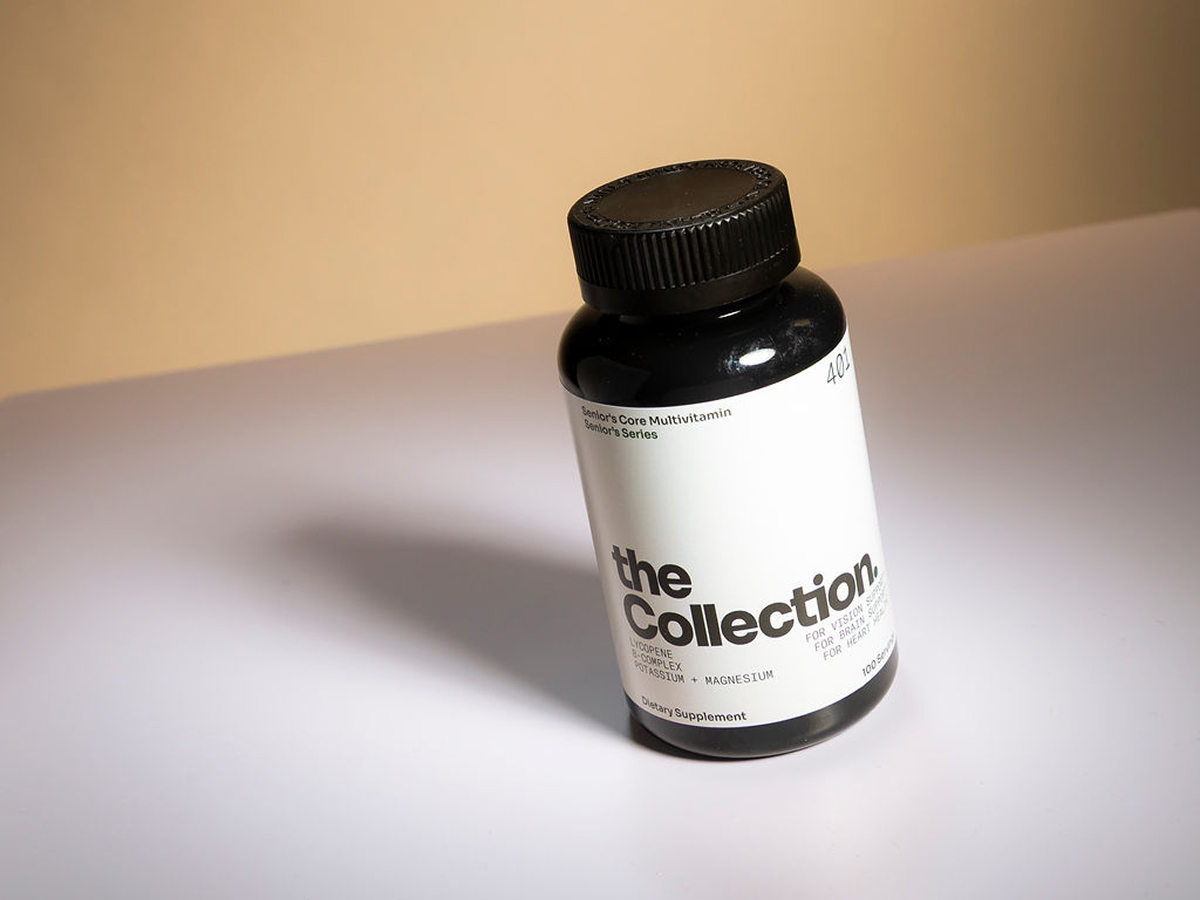
These three nutrients address the most prevalent nutritional gaps in active teenagers and should be established as the foundation before any performance supplement is considered. [21, 26, 39] A quality multivitamin covers all three at age-appropriate doses.
Protein Timing for Growth and Recovery
A straightforward and high-impact habit for young athletes is consuming a serving of protein in the hour or so after practice or training. Milk, eggs, Greek yogurt, or a protein shake all meet this need effectively. Total daily protein intake matters more than exact timing, so the goal is simply making sure it happens rather than watching the clock. [18, 37]
Brain Support for Focus, Memory, and School Performance
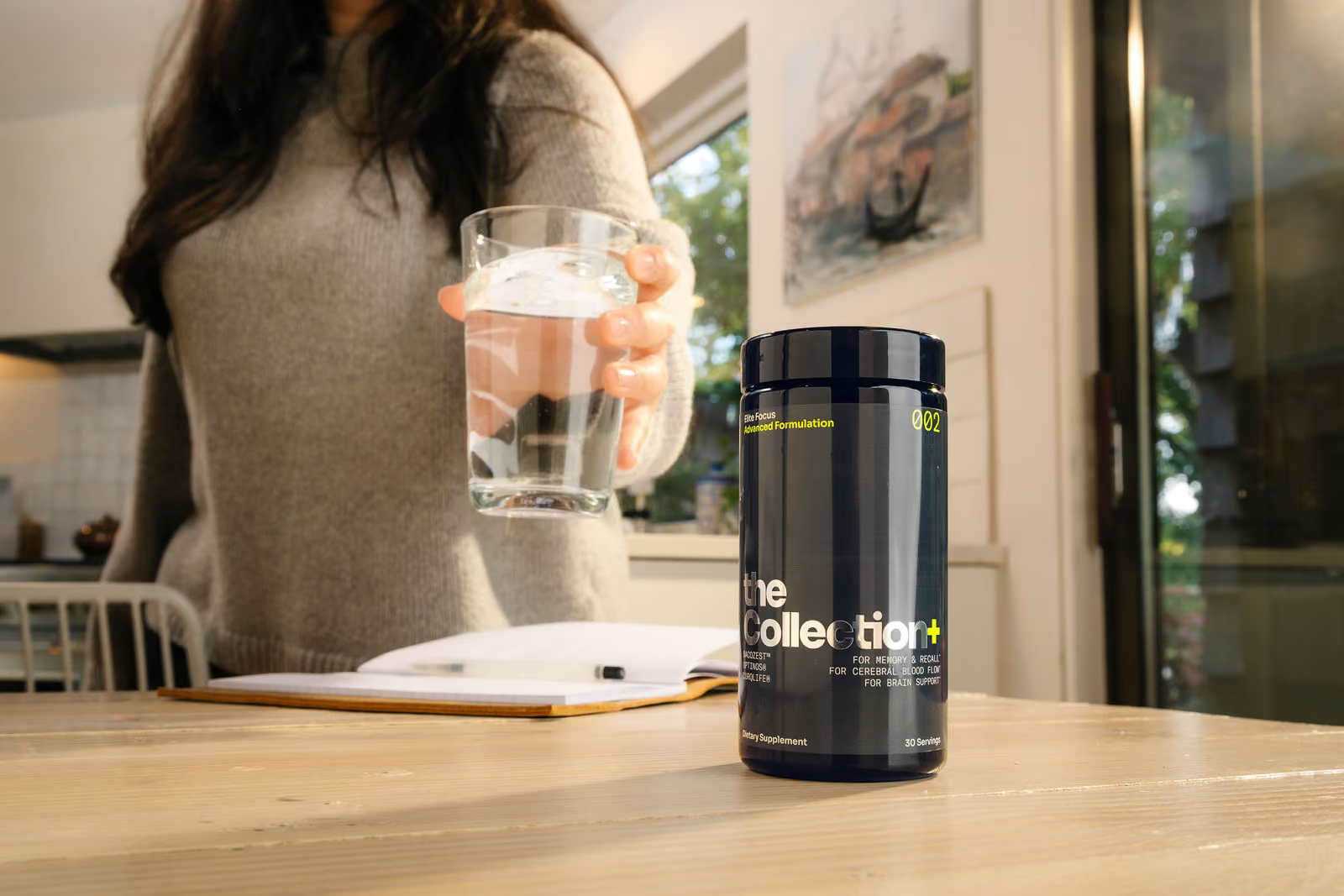
Being a student-athlete means cognitive demands are as real as physical ones. This is the area where The Collection+ and The Athlete’s Series carries the most compelling clinical evidence.
The BacoZest™ Study: What Happened When 40 Kids Took It for 84 Days
This is the study every parent evaluating cognitive support for their child deserves to review. BacoZest™ is a patented, de-bittered form of Bacopa monnieri. In a GCP-compliant, double-blind, placebo-controlled clinical trial conducted to the same standard applied to pharmaceutical drug trials, researchers studied 40 children aged 6 to 12 over 84 days. [2, 7]
Memory, Focus, Behavior, and Sleep: The Outcomes in Plain Language
- 33% reduction in inattention, measured by standardized parent and teacher rating scales [2]
- 36% reduction in hyperactivity, assessed through validated behavioral assessment tools [2]
- 96.94% improvement in delayed recall, which is the ability to retain and retrieve information after a time delay [2]
- Improved sleep quality, a secondary finding with meaningful implications for parents managing athletes with demanding schedules
BacoZest™ contains no caffeine or stimulants and carries no risk of dependency. It works gradually, building in the system over weeks of consistent use. The most accurate way to understand it is as nutritional support for cognitive development, not a stimulant-based performance product.
For parents who want to look beyond a single study, the broader research on this ingredient in young people is encouraging. A systematic review in Complementary Therapies in Medicine examined Bacopa monnieri specifically in child and adolescent populations and found generally favorable cognitive and behavioral outcomes with good tolerability. [38]
Why a Randomized, Double-Blind, Placebo-Controlled Trial Matters
In this trial, half the children received BacoZest™ and half received an identical-looking placebo. Neither the children, the parents, nor the researchers knew which group was which until after the results were analyzed. This is the same methodology used in pharmaceutical drug trials and represents the highest standard of evidence in clinical research.
Most supplement companies reference general ingredient research. The Collection uses BacoZest™ specifically, the patented and clinically dosed form, because the 33% reduction in inattention and 96.94% improvement in delayed recall were produced by this formulation at this dose. [1, 2]
How to Build a Supplement Routine Around a Sport and School Schedule
Pre-Game, Post-Game, and Daily Essentials
- Daily essentials: multivitamin and omega-3s with breakfast, every day
- Cognitive support (Focus Fuel / BacoZest™): with breakfast, every day; the cumulative benefit only develops with consistent daily use
- Post-training protein: within the hour or so after practice
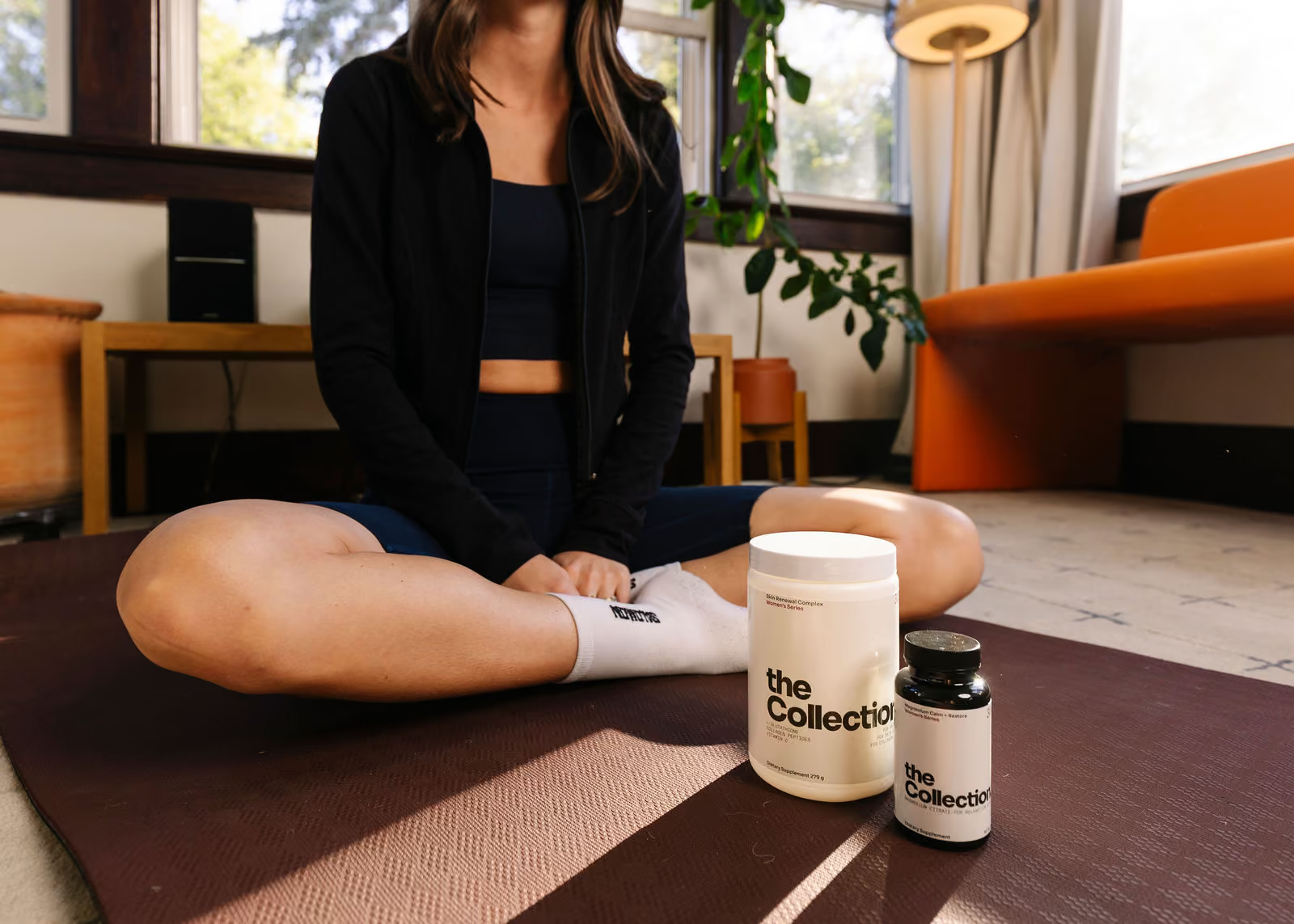
- Night before a game: Magnesium Calm + Restore with dinner; improved sleep quality has a direct and measurable effect on reaction time, decision-making, and available energy [12]
Questions to Ask Before Buying Any Supplement for Your Child
- Is this formulated specifically for children, or adapted from an adult product?
- Does it contain caffeine or stimulants? If so, and your child is under 18, that warrants careful reconsideration. [20]
- Is the dose appropriate for a child of this weight and age?
- Are all ingredients named, and is the dose listed for whatever the product is sold on? For a children’s product especially, you should be able to see the amount of the active ingredient and check it against what was studied in children.
- Has the ingredient been specifically studied and tested in children? [2, 38]
How The Collection+, Athlete’s Series, and Focus Fuel Are Built for This
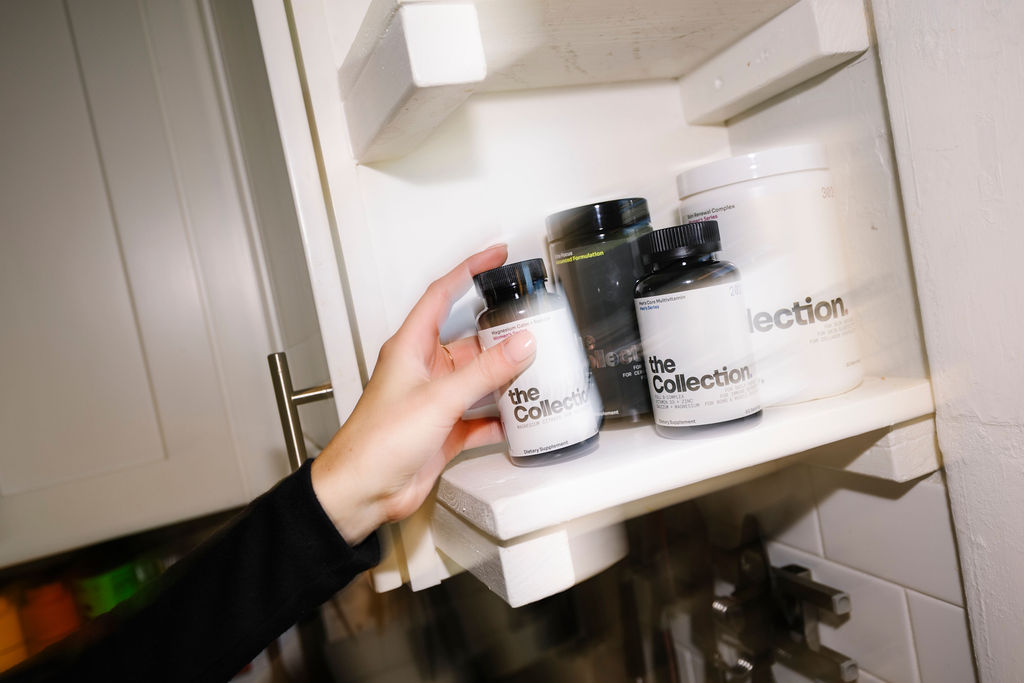
Focus Fuel is a caffeine-free chewable tablet powered by BacoZest™, designed for ages 6 and up, and available in flavors children will take consistently without resistance. For parents building a routine for a young athlete, the recommended approach is to establish the nutritional foundation through The Collection+, add Focus Fuel for cognitive support, and expand the routine as the athlete’s training load develops over time.
Disclaimer: These statements have not been evaluated by the Food and Drug Administration. This product is not intended to diagnose, treat, cure or prevent any disease.
Sources
- [1] Laila Nutraceuticals: BacoZest™ Adult Memory Study (12-week RCT, n=76)
- [2] Laila Nutraceuticals: BacoZest™ Children’s Study (84-day GCP RCT, n=40, ages 6-12)
- [7] The Collection Science Education Platform, thecollectionbrand.com
- [10] Andrès E, et al. Fat-Soluble Vitamins A, D, E, and K. Journal of Clinical Medicine, 2024
- [12] Abbasi B, et al. The effect of magnesium supplementation on primary insomnia in elderly. Journal of Research in Medical Sciences, 2012
- [18] Jäger R, et al. ISSN position stand: protein and exercise. Journal of the International Society of Sports Nutrition, 2017
- [20] American Academy of Pediatrics. Sports drinks and energy drinks for children and adolescents: are they appropriate? Pediatrics, 2011
- [21] Farrokhyar F, Tabasinejad R, Dao D, et al. Prevalence of vitamin D inadequacy in athletes: a systematic review and meta-analysis. Sports Medicine, 2015
- [26] Schwalfenberg GK, Genuis SJ. The importance of magnesium in clinical healthcare. Scientifica, 2017
- [37] Schoenfeld BJ, Aragon AA, Krieger JW. The effect of protein timing on muscle strength and hypertrophy: a meta-analysis. Journal of the International Society of Sports Nutrition, 2013
- [38] Kean JD, Downey LA, Stough C. A systematic review of the Ayurvedic medicinal herb Bacopa monnieri in child and adolescent populations. Complementary Therapies in Medicine, 2016
- [39] Sim M, Garvican-Lewis LA, Cox GR, et al. Iron considerations for the athlete: a narrative review. European Journal of Applied Physiology, 2019