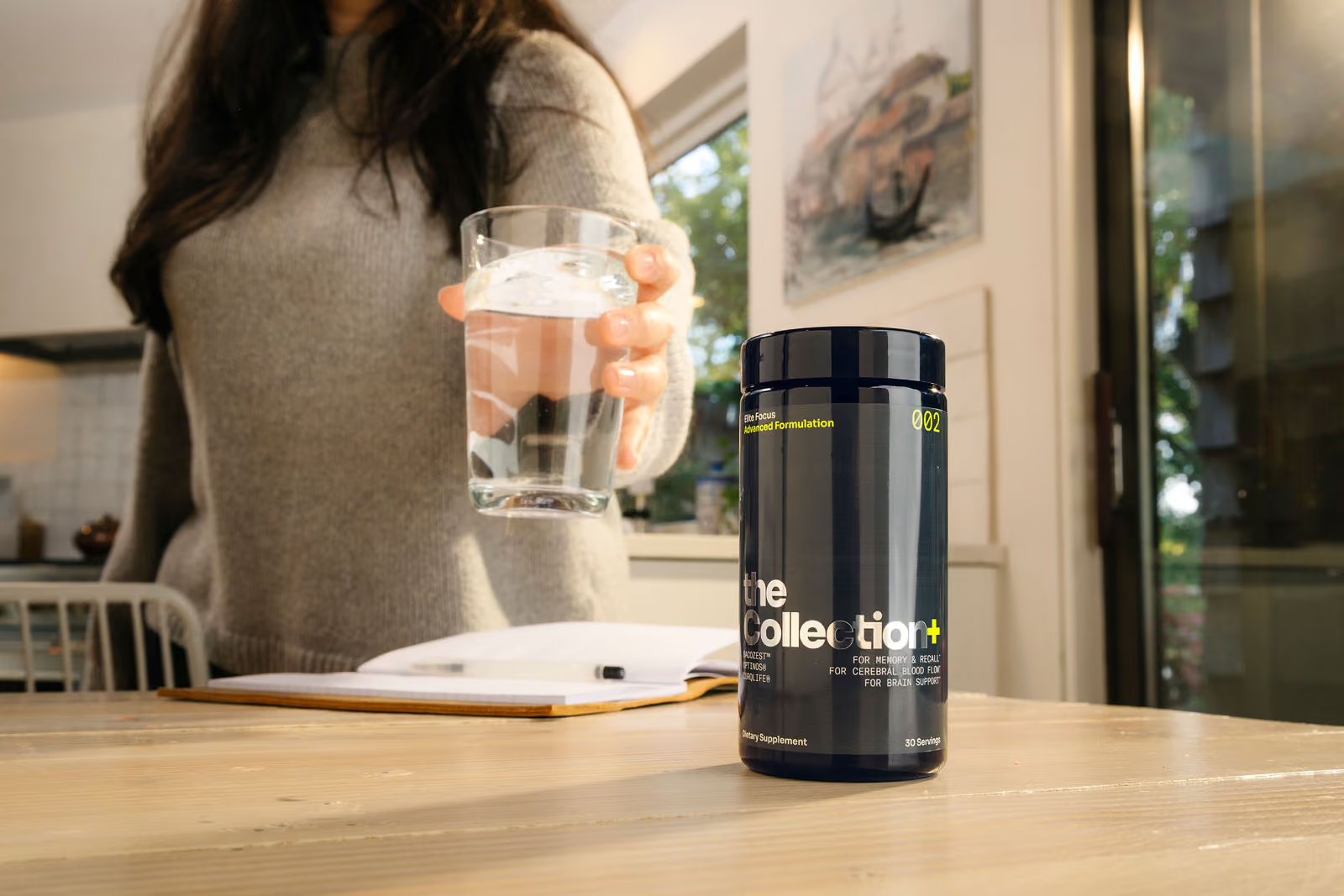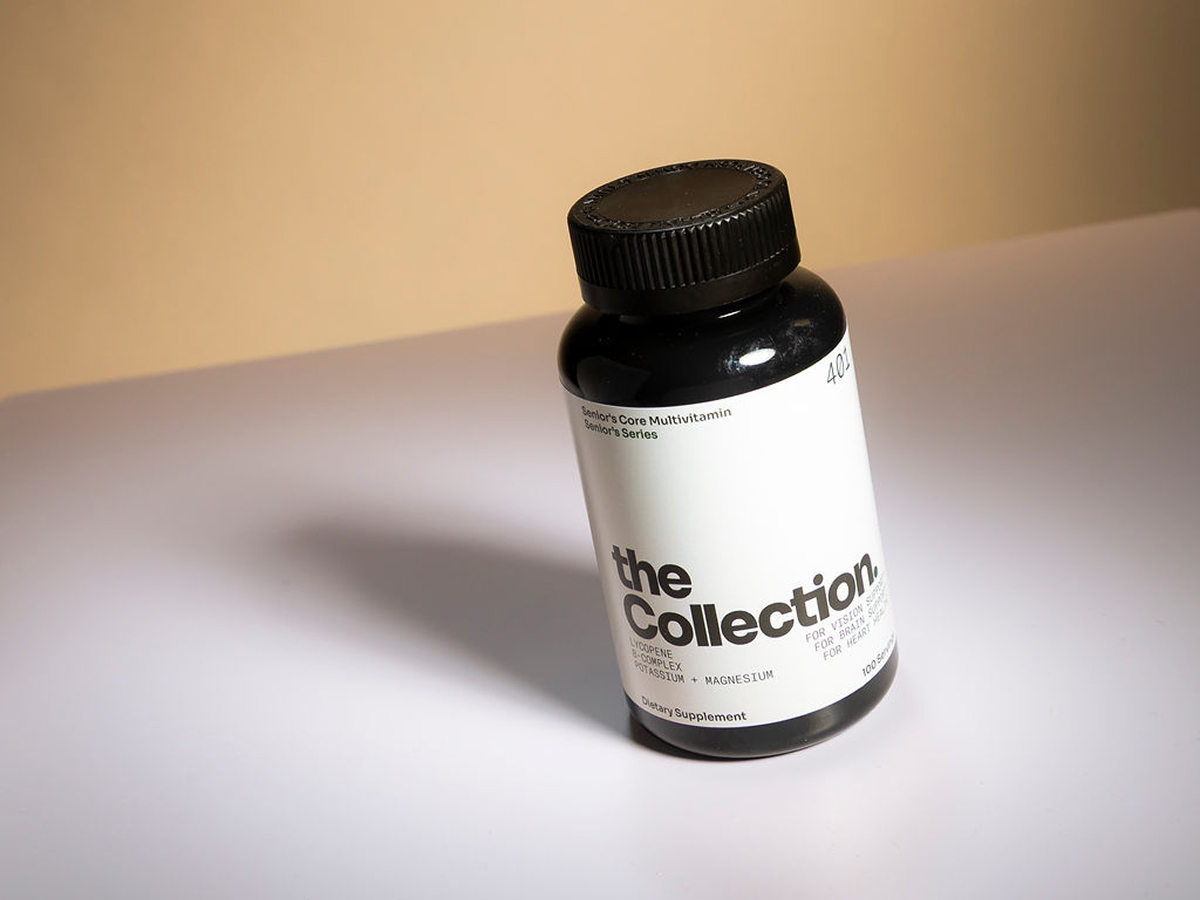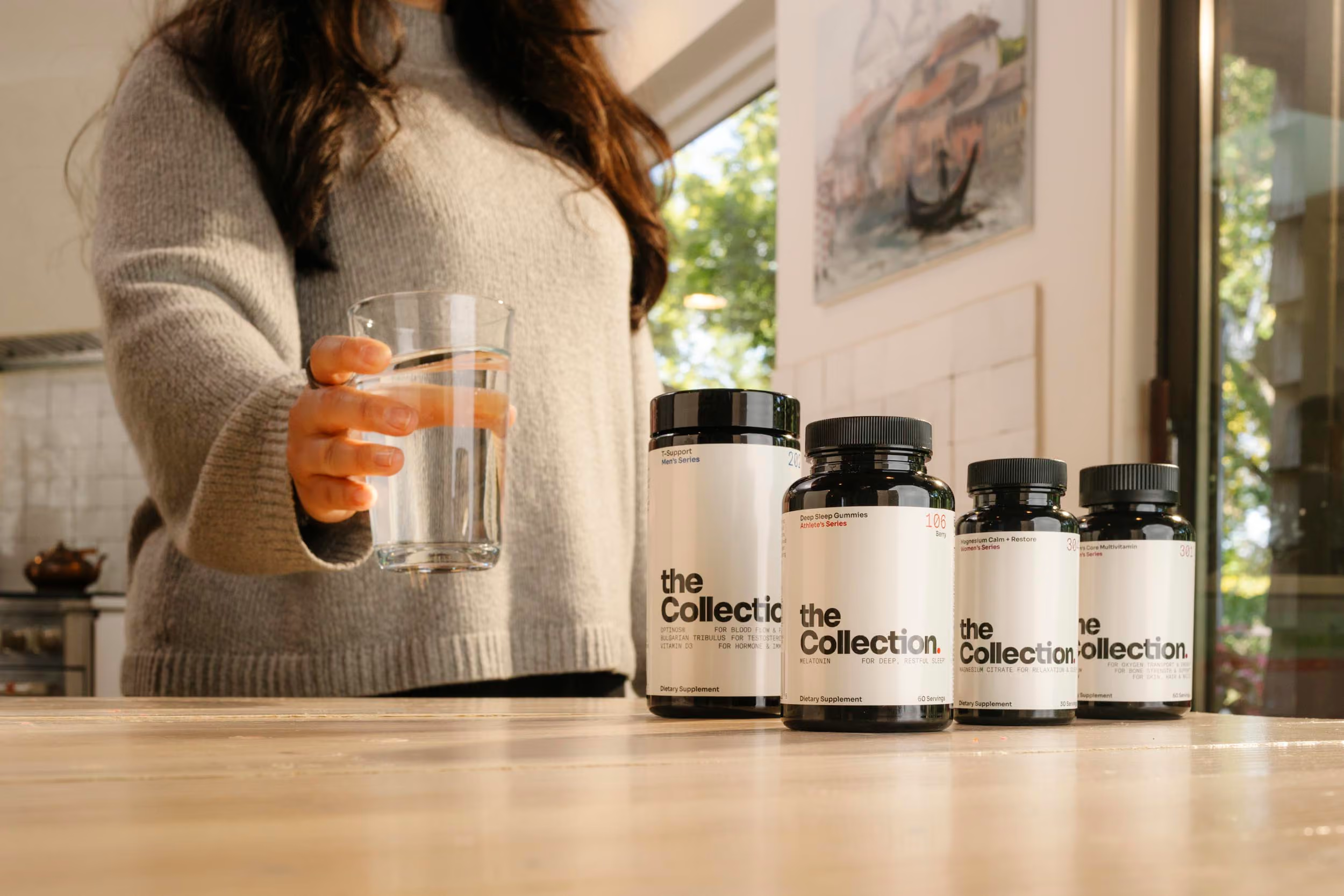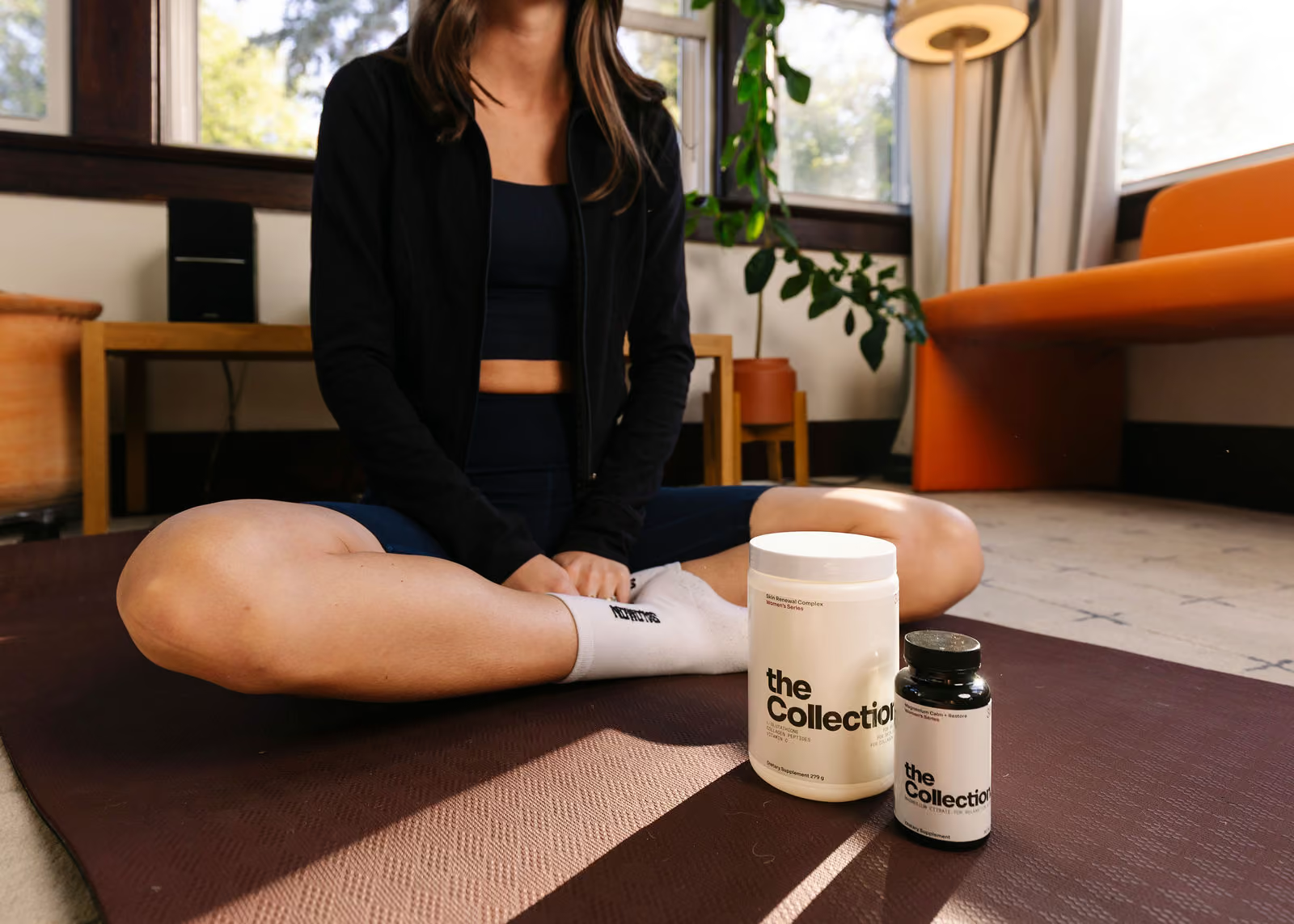
Most women who have researched supplements encounter the same problem: either the options are an intimidating performance lineup built for male athletes, or something generic with a vague promise about women’s health and wellness. Neither addresses what most women are actually looking for.
Women’s nutritional needs are genuinely different and, unfortunately, are often the last thing to receive attention in a busy household. Whether you are an athlete, a parent, a professional, or all three, the research is clear and actionable, and it is possible to build a sustainable routine around a real schedule.
Why Women’s Supplement Needs Are Genuinely Different
Women lose iron through menstruation, which makes iron deficiency significantly more common in women than in men. A 2025 review in the Canadian Medical Association Journal reports that women are disproportionately affected by iron deficiency worldwide, and that it is the leading cause of years of life lost to disability among women globally. [29]
Folate needs are elevated during reproductive years. The hormonal fluctuations across the menstrual cycle, pregnancy, and perimenopause affect how the body uses magnesium, B6, and calcium in ways that are specific to women. Bone density peaks in the late 20s and begins declining through the 30s, making early nutritional support particularly important. A large longitudinal study in the Journal of Bone and Mineral Research tracking bone mineral accrual from ages 8 to 30 found that peak bone mass is reached in the late 20s for both men and women. [43]
The Non-Negotiables: What Most Women Are Deficient In
The Four Essentials: Iron, Magnesium, Vitamin D, and Folate
- Iron: A 2025 review in the Canadian Medical Association Journal found that iron deficiency is the leading nutritional deficiency in women, driven mostly by menstrual blood loss. [29] Symptoms of mild deficiency include persistent fatigue, difficulty concentrating, and sensitivity to cold. These are frequently attributed to stress or a demanding schedule rather than a nutritional cause.
- Magnesium: A 2017 review in Scientifica by G. Schwalfenberg and S. Genuis found magnesium to be involved in over 300 biological processes, including sleep quality, muscle recovery, stress response, and hormonal balance. [26] Low magnesium commonly presents as poor sleep, muscle cramps, and low energy. Roughly half of the Western population falls below the recommended level of magnesium. [26]
- Vitamin D: more than half of American women are deficient or insufficient, according to NHANES data reported in a Clinical Medicine Insights: Women’s Health review. [28] A separate NHANES analysis published in Nutrition Research found 41.6% deficiency across all US adults. [14]
- Folate: important throughout reproductive years for cell division and neurological health, and relevant to energy production regardless of pregnancy status.
Why Omega-3s Matter More Than Most People Realize
Every cell membrane in the body requires omega-3 fatty acids. They are foundational to brain function, cardiovascular health, inflammation management, and hormonal balance.
Supplements for Your Mornings: Building the Foundation
What Belongs in a Daily Women’s Routine Before Anything Else
The Women’s Core Multivitamin, vitamin D if needed, and omega-3s taken with breakfast every morning form the nutritional foundation. These three cover the most common deficiencies before any targeted supplementation is introduced.
How to Take Your Core Vitamins for Efficient Absorption
Take your multivitamin with a meal that includes a fat source. The fat-soluble vitamins inside it, A, D, E, and K, require fat to absorb properly. [10] The effect is measurable: in a small study of 17 patients, moving a vitamin D dose to the largest meal of the day raised blood levels by roughly 50%. [11] Eggs, avocado, nut butter, or full-fat yogurt are all sufficient. If you drink coffee in the morning, take supplements with food rather than with your first cup. [15]
Why the Women’s Core Multivitamin Is the Base, Not the Complete Stack
The Women’s Core Multivitamin closes the most common nutritional gaps specific to women. Once that foundation is established, it becomes a platform for addressing more specific goals, whether joint health, athletic recovery, cognitive support, or sleep quality.
Supplements for Your Active Life: Movement, Training, and Recovery
What Your Body Loses When You Train Consistently and How to Replenish It
Training depletes electrolytes through sweat, draws on amino acids for muscle repair, and generates inflammation that requires active management for proper recovery. The most commonly missing pieces in active women’s routines are post-training electrolytes for hydration, adequate daily protein, and BCAAs to support muscle repair. [18]
CurQLife® Joint Support: Why Most Turmeric Products Do Not Reach Your System
Standard turmeric supplements are poorly absorbed and most of an oral dose passes through the body unused. [13] CurQLife®’s patented curcumin delivers 48x greater bioavailability, ensuring that the dose being taken is the dose the body actually receives.
In a validated preclinical model, CurQLife® reduced inflammation markers by 94%, with measurable effects within 7 days of daily dosing. [6] The broader human evidence on well-absorbed curcumin supports the same direction: in a multicenter randomized trial published in Clinical Interventions in Aging, a curcuma extract effectively improved joint pain and function. [23] CurQLife® Joint Support is 100% drug-free and appropriate for long-term daily use. [5, 7]
Collagen: The Recovery Piece Most Women Underestimate
Supplementing with collagen peptides measurably improves skin elasticity in women 35 to 55. In a double-blind, placebo-controlled study published in Skin Pharmacology and Physiology, women taking specific collagen peptides daily showed measurable improvements in skin elasticity compared to placebo. [44] Pure Collagen + Probiotics provides hydrolyzed collagen peptides alongside probiotic strains that support gut microbiome health and the downstream immune and energy function that depends on it. [27]
Supplements for Your Evenings: Winding Down and Restoring
Why Sleep Is Where Most Women’s Wellness Breaks Down
Sleep is when the body performs its most critical repair work. Most women experiencing poor sleep are not dealing with a sleep disorder. The more common causes are magnesium depletion, elevated cortisol, or inconsistent wind-down habits, all of which are addressable.
Magnesium and Sleep: What the Research Shows
Magnesium activates the parasympathetic nervous system, shifting the body from a stress state into the rest and recovery mode required for quality sleep. In a randomized, double-blind clinical trial of older adults with insomnia published in the Journal of Research in Medical Sciences, a 500 mg daily dose improved sleep problems, total sleep time, and how quickly participants fell asleep. [12] Taking Magnesium Calm + Restore 30 to 60 minutes before bed is one of the most consistently reported improvements among people who introduce it into their routine. [7, 9]
Pure Collagen + Probiotics: The Overnight Repair Stack
The body performs the majority of its collagen synthesis and gut repair during sleep. Taking Pure Collagen + Probiotics in the evening, mixed into herbal tea or alongside a light snack, supports that overnight process.
Supplements for High-Demand Seasons: When Life Gets Busier
Stress, Hormonal Shifts, and What Your Body Requires in Different Seasons
Stress depletes magnesium faster, elevates cortisol, and disrupts hormonal balance and sleep quality. [26] The most practical additions during high-demand periods include a higher-dose Magnesium Calm + Restore, a B-complex for energy under sustained stress, and adaptogens such as ashwagandha.
How to Adjust Your Routine Without Overhauling It
High-demand seasons are not the time to rebuild a supplement routine from scratch. Protecting the foundation and adding targeted support on top of it is the more practical and effective approach. It is also worth noting that exceeding recommended doses does not produce stronger results and can introduce unwanted side effects, particularly with fat-soluble vitamins that the body stores rather than excretes. [10]
How to Build a Routine You Will Maintain
- Morning with breakfast: Women’s Core Multivitamin, omega-3s, CurQLife® Joint Support morning dose
- Evening: CurQLife® Joint Support evening dose with dinner, Pure Collagen + Probiotics in tea or a smoothie, Magnesium Calm + Restore 30 to 60 minutes before bed
- Around training: Pure Hydration before or during, Recovery Aminos + EAAs or Pure Iso Whey Protein after
The Collection Women’s Series: Built for Real Life
The Women’s Series brings together the Women’s Core Multivitamin as the nutritional foundation, CurQLife® Joint Support for inflammation and joint support, Magnesium Calm + Restore for recovery, and Pure Collagen + Probiotics for connective tissue and gut health. It is a complete system designed to integrate into daily life across every season of it, not a single-goal product, and not one that requires a perfect schedule to work.
Disclaimer: These statements have not been evaluated by the Food and Drug Administration. This product is not intended to diagnose, treat, cure or prevent any disease.
Sources
- [5] Laila Nutraceuticals: CurQLife® In Vitro Cell Studies
- [6] Laila Nutraceuticals: CurQLife® In Vivo Arthritis Study
- [7] The Collection Science Education Platform, thecollectionbrand.com
- [9] The Collection Product Label Information, Earth’s Creation USA
- [10] Andrès E, et al. Fat-Soluble Vitamins A, D, E, and K. Journal of Clinical Medicine, 2024
- [11] Mulligan GB, Licata A. Taking vitamin D with the largest meal improves absorption. Journal of Bone and Mineral Research, 2010
- [12] Abbasi B, Kimiagar M, Sadeghniiat K, et al. The effect of magnesium supplementation on primary insomnia in elderly. Journal of Research in Medical Sciences, 2012
- [13] Anand P, et al. Bioavailability of curcumin. Molecular Pharmaceutics, 2007
- [14] Forrest KYZ, Stuhldreher WL. Prevalence and correlates of vitamin D deficiency in US adults. Nutrition Research, 2011
- [15] Morck TA, Lynch SR, Cook JD. Inhibition of food iron absorption by coffee. American Journal of Clinical Nutrition, 1983
- [18] Jäger R, et al. ISSN position stand: protein and exercise. JISSN, 2017
- [23] Kuptniratsaikul V, Dajpratham P, Taechaarpornkul W, et al. Efficacy and safety of Curcuma domestica extracts compared with ibuprofen in patients with knee osteoarthritis: a multicenter study. Clinical Interventions in Aging, 2014
- [26] Schwalfenberg GK, Genuis SJ. The importance of magnesium in clinical healthcare. Scientifica, 2017
- [27] Wu L-Y, Yang T-H, Ou Y-C, Lin H. The role of probiotics in women’s health. Taiwanese Journal of Obstetrics and Gynecology, 2024
- [28] Bohon TM, Goolsby MA. The role of vitamin D supplements in women’s health. Clinical Medicine Insights: Women’s Health, 2013
- [29] Iron deficiency review, Canadian Medical Association Journal, 2025.
- [43] Baxter-Jones ADG, Faulkner RA, Forwood MR, Mirwald RL, Bailey DA. Bone mineral accrual from 8 to 30 years of age: an estimation of peak bone mass. Journal of Bone and Mineral Research, 2011
- [44] Proksch E, Segger D, Degwert J, et al. Oral supplementation of specific collagen peptides has beneficial effects on human skin physiology: a double-blind, placebo-controlled study. Skin Pharmacology and Physiology, 2014