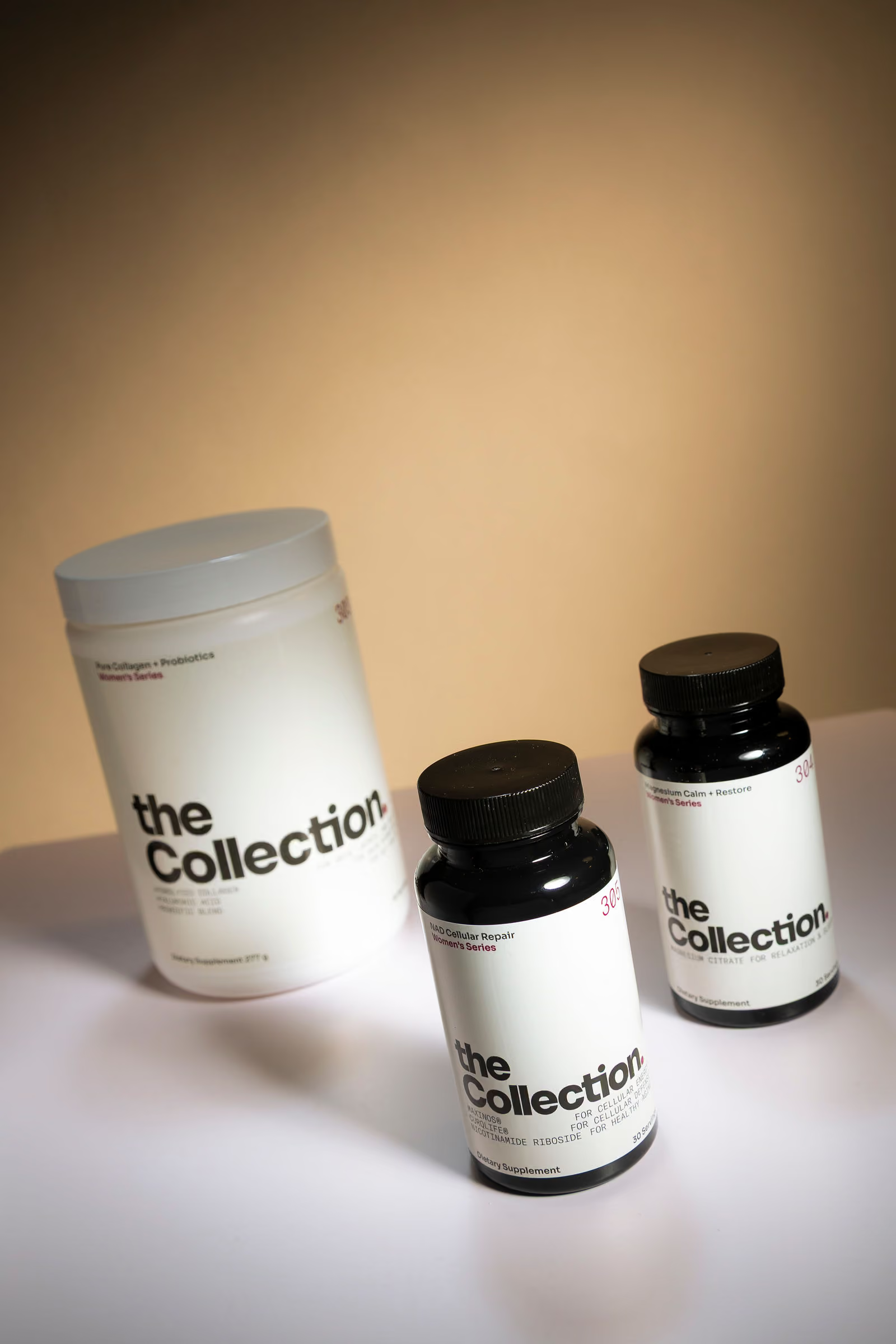
If you have ever looked at a supplement bottle and wondered whether you are buying something real or paying a premium for an ineffective product, that is a reasonable question to ask. The honest answer is that it depends entirely on the supplement and what is actually in it. The supplement industry has a serious credibility problem, and the brands selling underdosed or unsupported products are a primary reason that skepticism is so widespread.
Why There Is So Much Confusion About Supplements
A manufacturer is not required to prove their product works before bringing it to market. They are only required to avoid making specific medical claims. This creates a market where a brand can include an ingredient at 10% of the dose needed for any clinical effect and remain technically compliant with the law. That ambiguity benefits low-quality brands at the expense of consumers. The solution is straightforward: demand to see what is in the product, how much of it is there, and what the evidence actually shows.
What the Research Shows: An Honest Assessment
Supplements with Strong Evidence
- Creatine monohydrate is the most studied performance supplement in existence. The International Society of Sports Nutrition’s position stand reviewed hundreds of studies and concluded that creatine is the most effective ergogenic nutritional supplement available for increasing high-intensity exercise capacity and lean mass during training. [17]
- Vitamin D has strong evidence behind its role in immune function, bone health, mood regulation, and hormone balance. [10, 14]
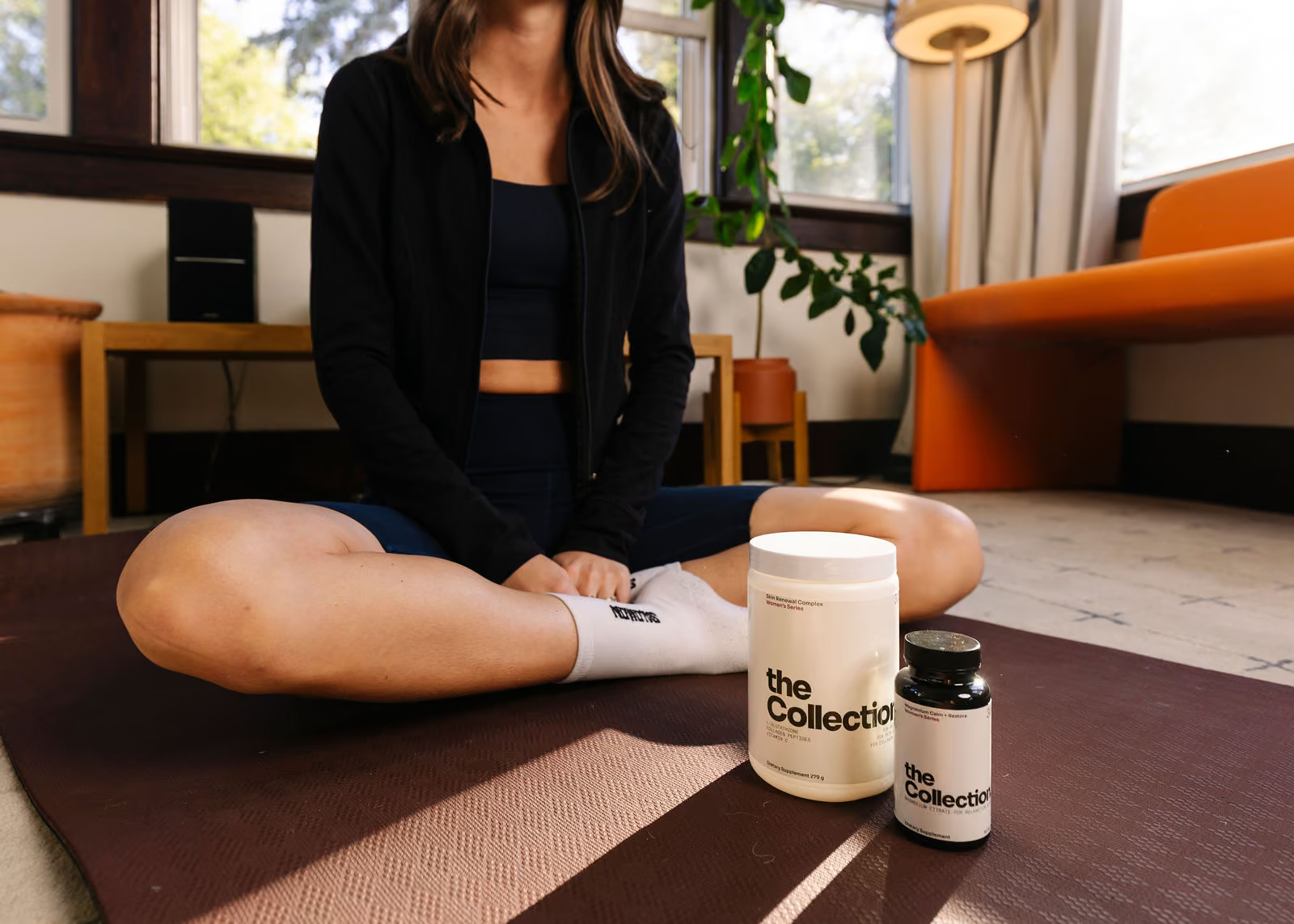
- Magnesium is well-supported for improvements in sleep quality, muscle function, and stress response. In one randomized controlled trial of older adults with insomnia, 500mg of daily magnesium improved sleeping problems, total sleep time, and how quickly participants fell asleep. [12, 26]
- Omega-3 fatty acids have strong evidence for brain function and reduction of systemic inflammation, and for potential cardiovascular benefits. It is worth being precise here: two large trials published in 2018, VITAL and ASCEND, did not find a cardiovascular benefit from omega-3 supplementation in general healthy populations. The evidence is strong where it is strong, and honest brands should say so.
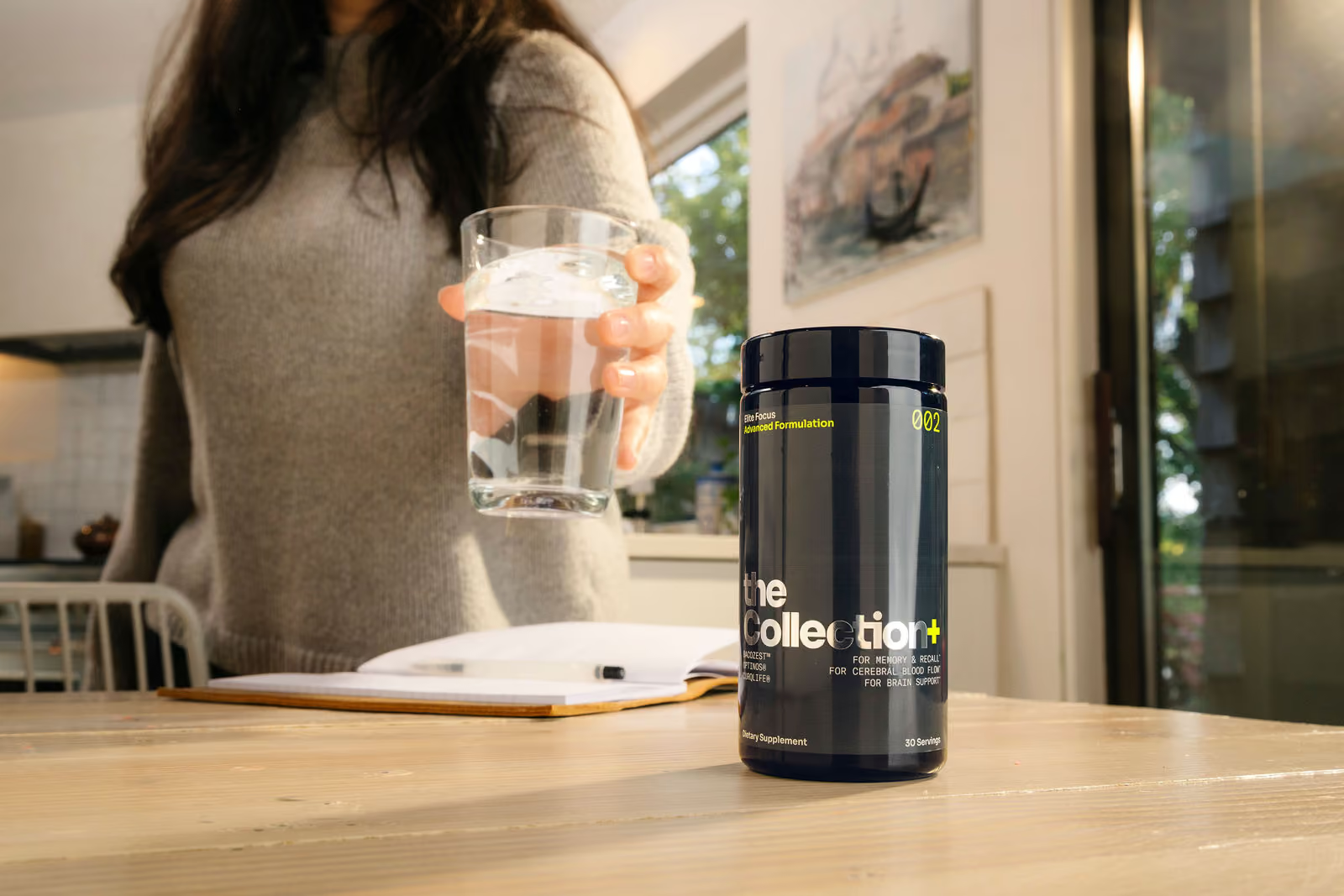
- BacoZest™ has been evaluated in double-blind, placebo-controlled trials showing improvements in memory recall and cognitive processing speed, including a 96.94% improvement in delayed recall in both adults and children. [1, 2] The broader ingredient literature points the same direction: a meta-analysis of randomized controlled trials in the Journal of Ethnopharmacology found consistent cognitive benefit from Bacopa monnieri extract. [19]
- CurQLife® has strong evidence for anti-inflammatory effects, but only in forms with meaningful bioavailability. Standard curcumin is poorly absorbed and most of an oral dose passes through the body unused. [13] CurQLife® Joint Support delivers 48x more bioavailable curcumin, meaning your body actually absorbs the curcumin. [5, 6, 7]
Supplements Where the Evidence Is Mixed
- Products that hide their key ingredient doses: when the ingredient a product is sold on is buried in a combined blend weight, there is no way to verify it is present at a level that does anything. The question is not whether a label has a blend. It is whether the ingredient doing the work is disclosed.
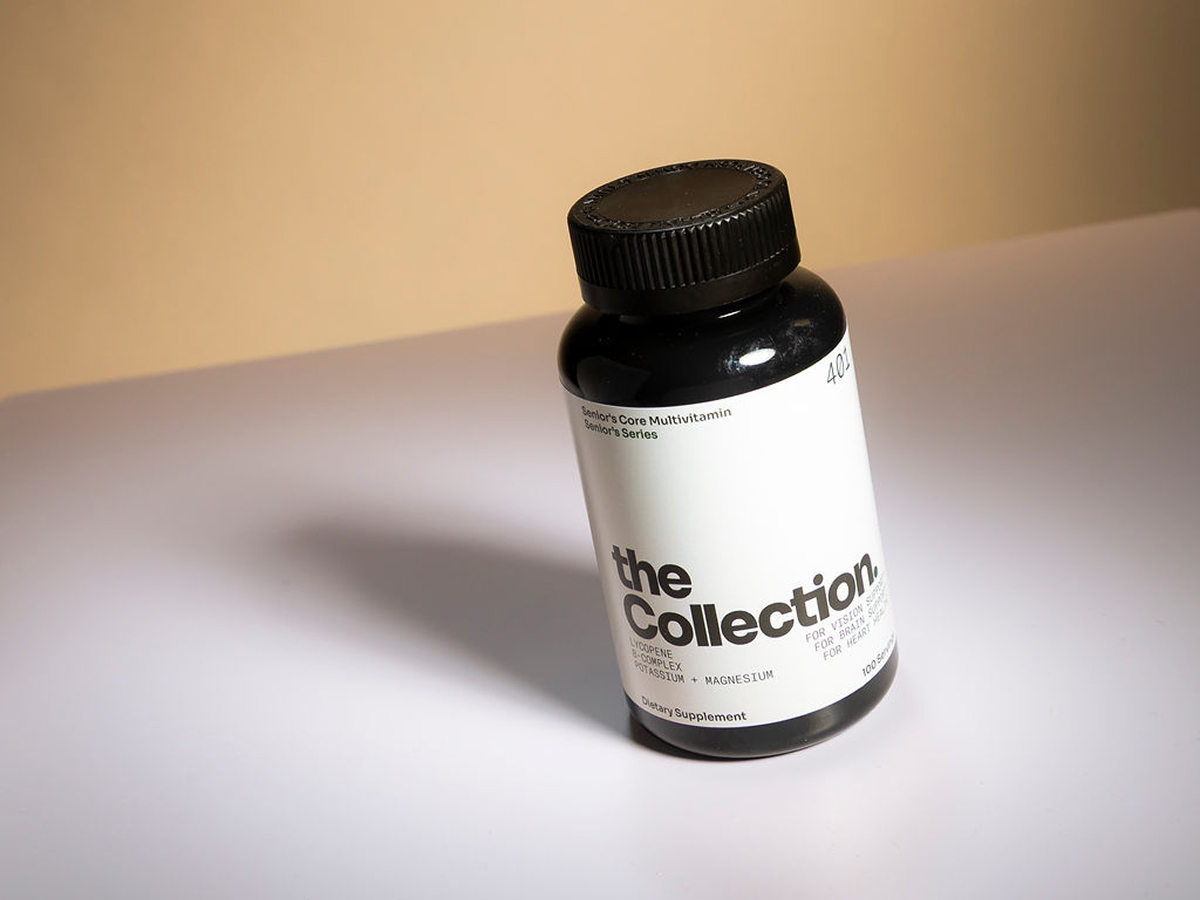
- Many mass-market multivitamins: the vitamins are real, but the forms of the vitamins matter enormously. In a randomized double-blind comparison, magnesium citrate produced higher absorption and higher serum magnesium than magnesium oxide over 60 days. [33]
- Fat burners: typically have weak clinical backing and high stimulant doses.
The Difference Between a Patented Ingredient and a Generic One
A patented ingredient is one where the specific combination, dose, or extraction method has been through an independent research process and produced results significant enough to warrant legal protection. That distinction carries real meaning.
What “Patented” Actually Means
- Real human clinical trials were conducted, not just cell studies or animal models.
- Clinically studies at a specific dose, in a specific form
- Legally protected in the USA
- The specific form that produced those results is legally protected. A competitor who wants to claim those clinical results has to use that exact patented ingredient.
The clinical studies used for our four main patented ingredients (BacoZest™, CurQLife®, OptiNOs®, and MaxiNOs®) were conducted by Laila Nutraceuticals.
What to Do When a Label Will Not Tell You the Dose
Popular supplement and nootropic brands have built large audiences on formulas where the headline ingredient sits inside a blend with no individual dose attached. Some disclose a few active ingredients at full clinical doses. Others disclose one. The result is the same: you are asked to trust that the ingredient in the marketing is present at a level that matters, with no way to check. [7, 8]
We take the opposite approach on the ingredients that drive our formulas. Every patented ingredient in The Collection is named on the label at the exact dose used in its clinical trial. BacoZest™ at 300mg in Full Tilt. MaxiNOs® at 375mg. When we cite a study, you can hold the label next to it. [8]
How to Evaluate a Supplement Brand’s Credibility
The Six Questions to Ask Before Buying
- Can you find the dose of the ingredient the product is sold on? If the ingredient in the marketing is inside a blend with no individual dose attached, you cannot evaluate whether it is present at a level that produces the suggested effect.
- Are any key ingredients patented? A patented ingredient has been clinically tested at a specific dose and in a specific form, which is verifiable.
- Does the brand explain how and when to take the product for best absorption? Guidance on timing and food pairing is a signal that the brand understands how their ingredients actually work.
- Is there third-party testing? Independent verification adds an important layer of accountability.
- Does the company explain what each ingredient does in plain language? Transparency in communication reflects confidence in the formulation.
- What certifications does the company hold, and are they credible? Not all certifications carry equal weight, and it is worth understanding what each one actually verifies.
How The Collection Is Built Different
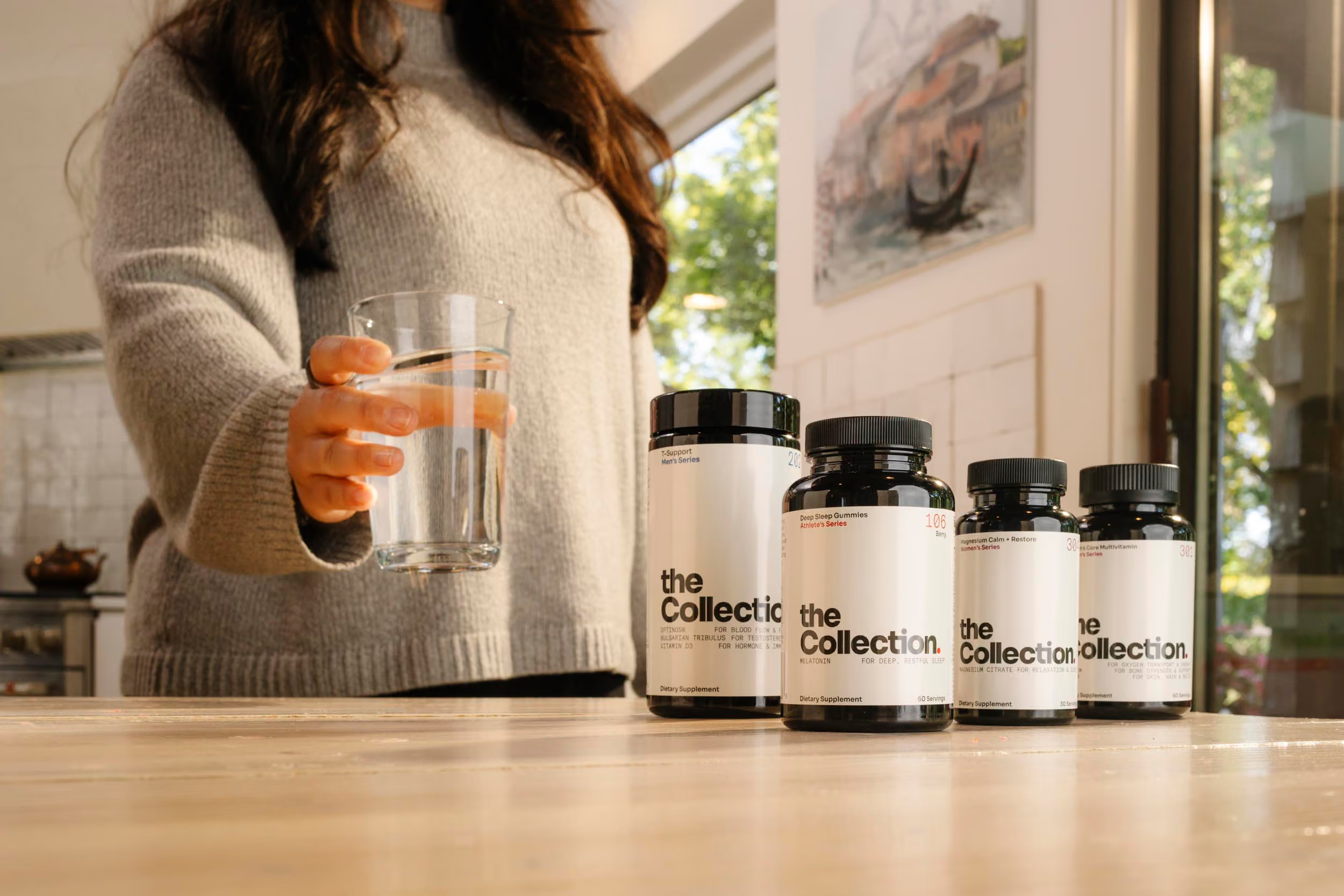
The Collection is built around four U.S.-exclusive patented ingredients because applying clinical data to a product that does not actually match what was studied is not a standard worth accepting. Every patented ingredient is disclosed at its studied dose because consumers have the right to verify that what they are purchasing aligns with what the science supports.
Disclaimer: These statements have not been evaluated by the Food and Drug Administration. This product is not intended to diagnose, treat, cure or prevent any disease.
Sources
- [1] Laila Nutraceuticals: BacoZest™ Adult Memory Study (12-week RCT, n=76)
- [2] Laila Nutraceuticals: BacoZest™ Children’s Study (84-day GCP RCT, n=40)
- [5] Laila Nutraceuticals: CurQLife® In Vitro Cell Studies
- [6] Laila Nutraceuticals: CurQLife® In Vivo Arthritis Study
- [7] The Collection Science Education Platform, thecollectionbrand.com
- [8] The Collection Supplement Deep Dive, thecollectionbrand.com
- [10] Andrès E, et al. Fat-Soluble Vitamins A, D, E, and K. Journal of Clinical Medicine, 2024
- [12] Abbasi B, Kimiagar M, Sadeghniiat K, et al. The effect of magnesium supplementation on primary insomnia in elderly. Journal of Research in Medical Sciences, 2012
- [13] Anand P, et al. Bioavailability of curcumin. Molecular Pharmaceutics, 2007
- [14] Forrest KYZ, Stuhldreher WL. Prevalence and correlates of vitamin D deficiency in US adults. Nutrition Research, 2011
- [17] Kreider RB, et al. International Society of Sports Nutrition position stand: safety and efficacy of creatine supplementation. Journal of the International Society of Sports Nutrition, 2017
- [19] Kongkeaw C, et al. Meta-analysis of randomized controlled trials on cognitive effects of Bacopa monnieri extract. Journal of Ethnopharmacology, 2014
- [26] Schwalfenberg GK, Genuis SJ. The importance of magnesium in clinical healthcare. Scientifica, 2017
- [33] Walker AF, Marakis G, Christie S, Byng M. Mg citrate found more bioavailable than other Mg preparations in a randomised, double-blind study. Magnesium Research, 2003